Why "the AI said it works" is not proof
Vahe Torozyan · · 2 min read
A confident message is not a test result
AI coding agents are fast, and they are good at reporting success. "Done, all working" is easy to write. It is much harder to show.
The trouble is that the report and the software are two different things. An agent can describe a signup form as working without anyone having opened the form, filled it in and seen what happened.
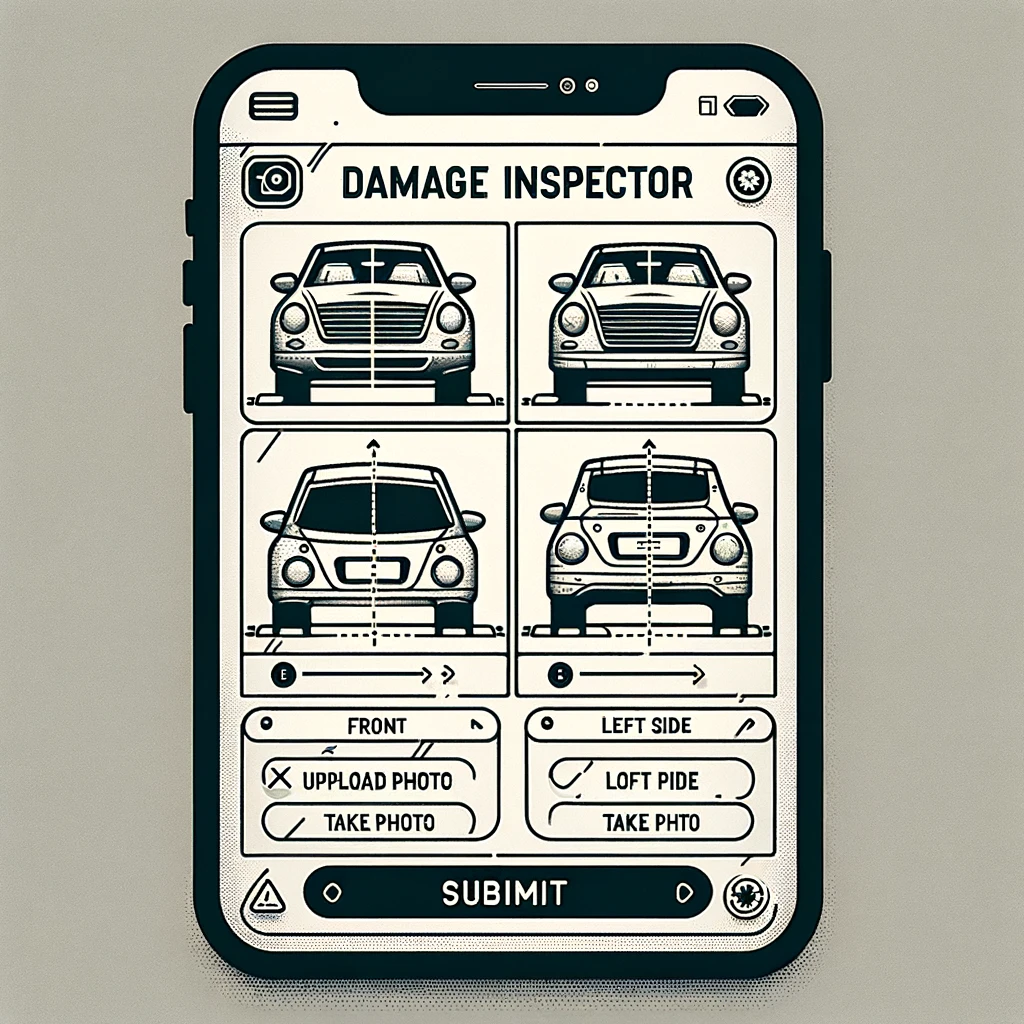
What evidence looks like
When someone tells you a change works, you can ask four plain questions:
What exactly was checked?
Was it checked in a real browser, on the real screens?
Can I see it happen, with a recording or a screenshot?
Can someone repeat the check tomorrow and get the same answer?
If the answer to any of these is "no" or "I'm not sure", you have a claim, not proof.
Check from the outside
The person or agent who built a change is the worst judge of it. They know what it was meant to do, so they look for that. A check works best when it comes from outside: something that opens the application the way a customer would, follows the screens, and records what it finds.
That is the idea behind InsightJet. It independently verifies software built by people and by AI agents. It maps the pages and controls of an application, checks requirements against what the application really does, and keeps reproducible evidence of the result.
Evidence before trust
Fast code is only valuable when you can rely on it. So the question for every release is the same: not "did the AI say it works", but "what did we see?"
If you build with AI agents and want a second pair of eyes on the result, try InsightJet at insightjet.ai.